Is It Ethical?
The welfare question answered honestly, and the standard we hold ourselves to.
 Gayo Wild®
The Complete Guide · 6 min read
The rarest coffee in the world, explained without the mythology — how it is made, what it tastes like, why it costs what it does, and the one question to ask before you buy any of it.
In One Paragraph
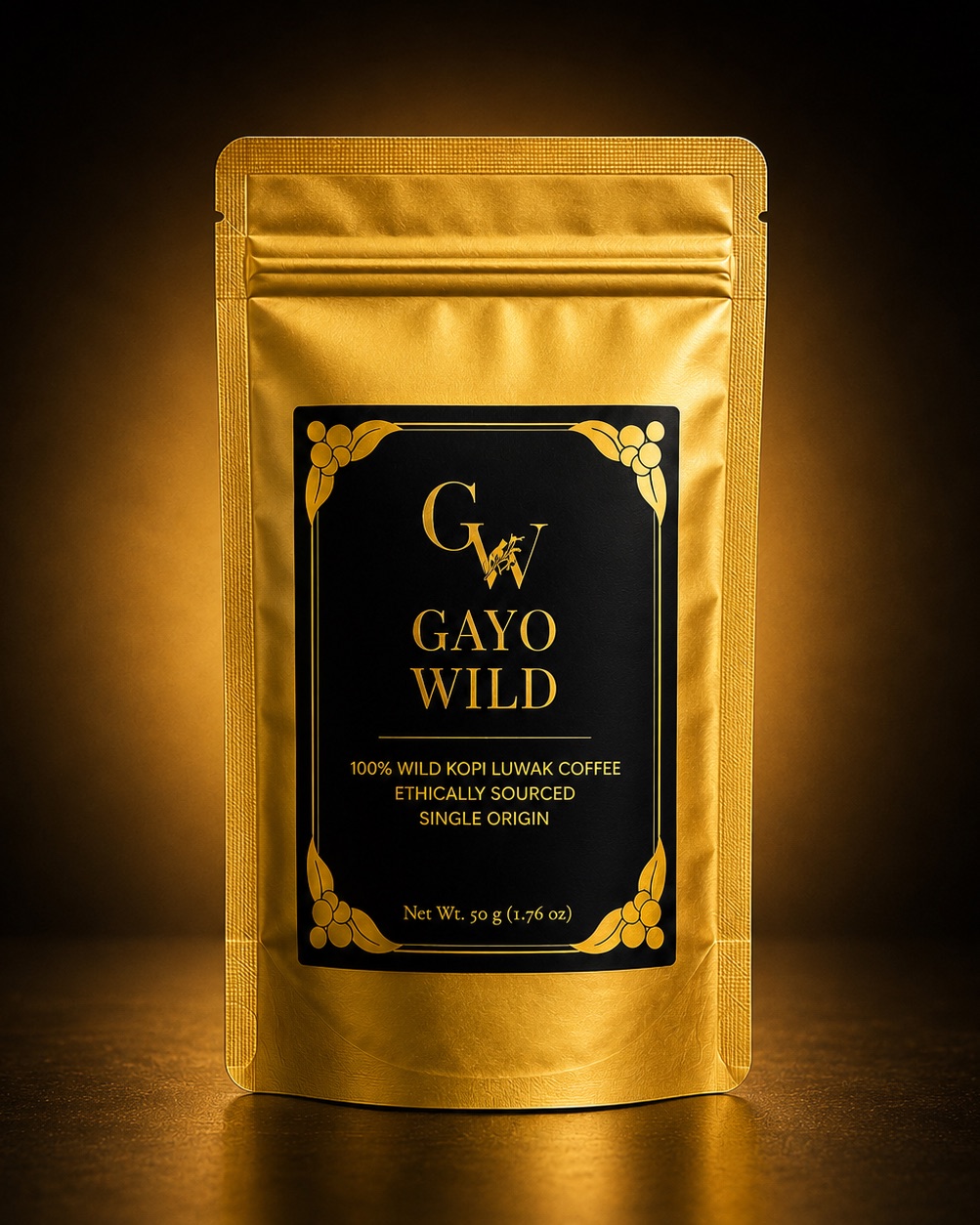
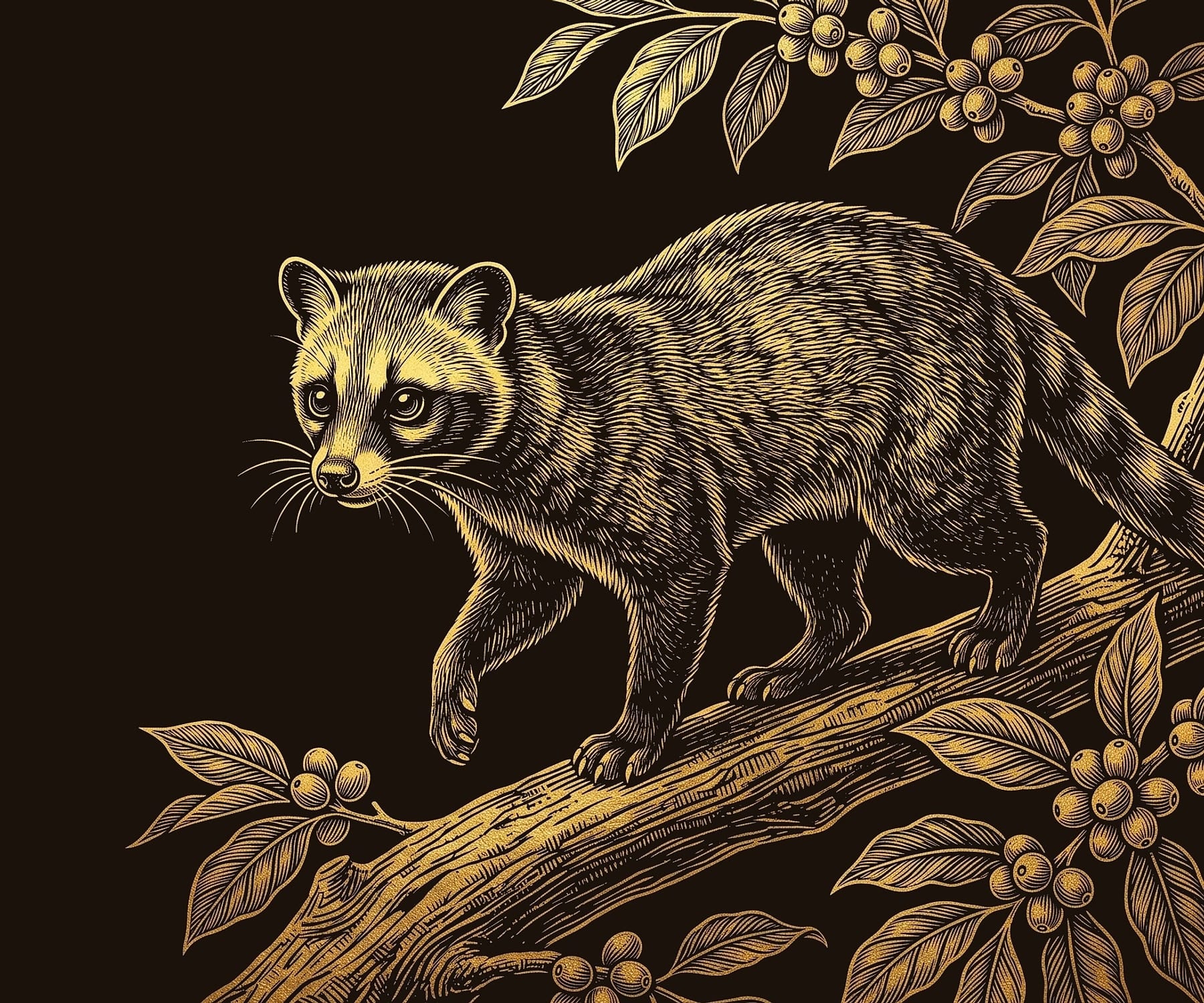
Kopi Luwak is coffee made from beans selected and naturally fermented by the Asian palm civet (Paradoxurus hermaphroditus), a small nocturnal mammal native to Southeast Asia. Civets are fastidious foragers: left alone, they eat only the ripest, sweetest cherries. As the beans travel through the animal, natural enzymes ferment them and break down the proteins responsible for bitterness. The beans are not digested. They are left on the forest floor, gathered by hand, washed, sun-dried, sorted and roasted.
The name is Indonesian: kopi means coffee, luwak is the local name for the civet. You will also see it sold as civet coffee, and in Europe as Katzenkaffee, civetkoffie or café de civette.
kopi = coffee · luwak = civet
From the Jungle's Edge
No factory touches this coffee. It passes through two pairs of hands: the farmers’, and then yours.
Wild civets roam the forest edge at night and take only the ripest cherries. Nature does the grading, more finely than any machine.
Enzymes ferment the beans in transit, breaking down the proteins responsible for bitterness. This is the step that gives the cup its softness.
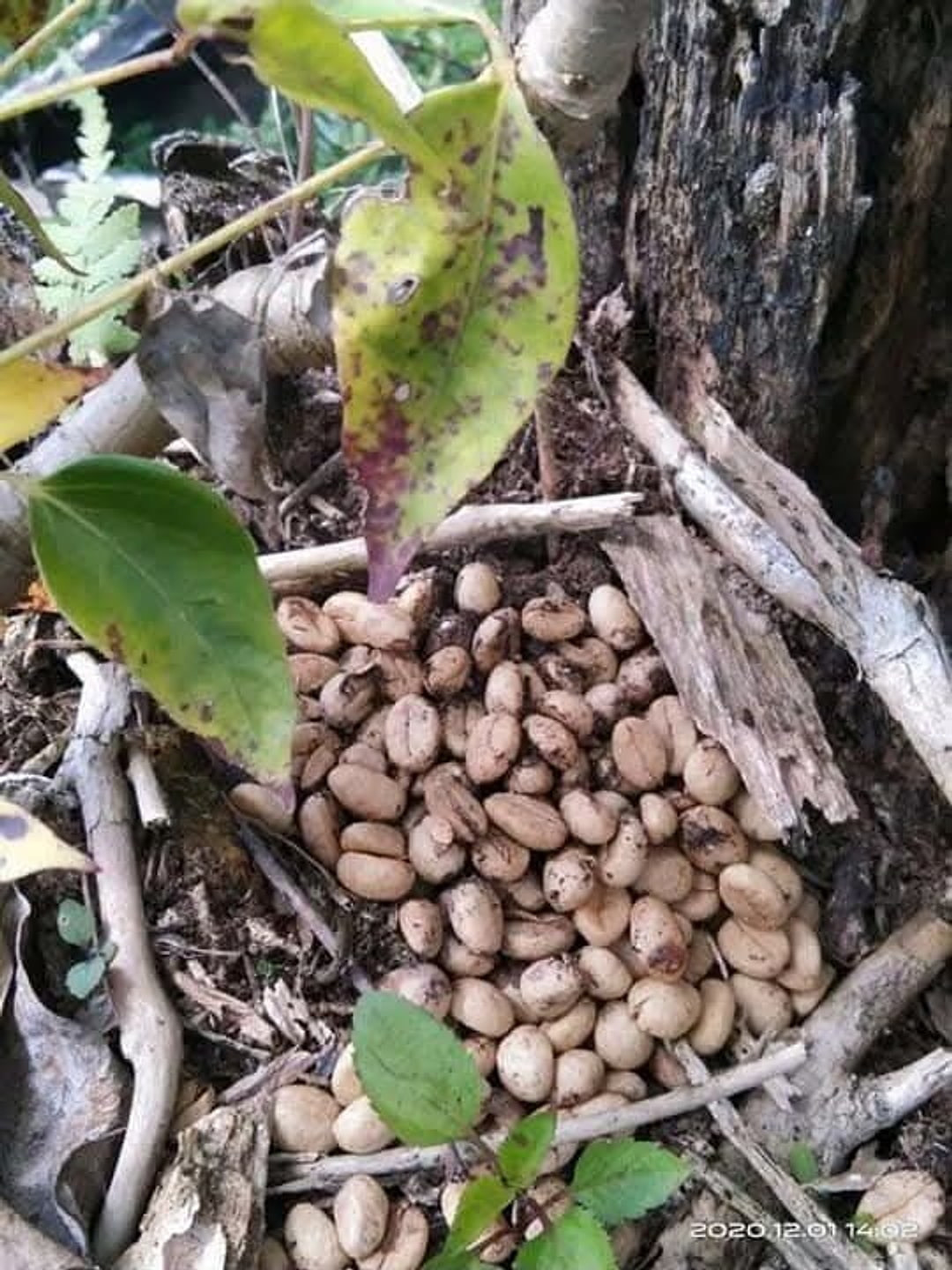
Foragers walk the jungle's edge and lift the beans from the forest floor. Nothing is farmed, confined or fed.
Thoroughly cleaned, then dried on raised beds in the highland sun and sorted bean by bean.
Roasted in small batches the traditional Gayo way, then weighed, filled and sealed at the farm in a one-way valve pouch.
The Cup
Expect a velvety body and a remarkably low acidity — the single most recognisable characteristic of a genuine cup. Around it sit dark cocoa, gentle spice and a subtle earthiness, with caramel and toffee underneath. Because the fermentation removes so much of the bitterness, the coffee is unusually forgiving: smooth enough to drink black, which is how you should try it first.
It also changes as it cools, which is rare. A cup that reads as cocoa when poured will often show caramel and spice ten minutes later.
The Profile
Wild Kopi LuwakA typical coffee
Illustrative, drawn from our tasting notes.
It Changes as It Cools
Scarcity
Genuine wild Kopi Luwak cannot be scaled, because wild animals set the supply rather than a production plan. Every bean has to be chosen by a free-roaming civet and then found by hand on the forest floor. Estimates of authentic wild production run to a few hundred kilograms a year worldwide — against roughly ten million tonnes of coffee overall.
The rest of the price is labour and integrity: meticulous hand-sorting, small-batch roasting, and paying the farming families directly rather than through a chain of middlemen.
Read This Before You Buy
Far more Kopi Luwak is sold each year than wild civets could possibly produce. Much of the difference is made up by caged animals, force-fed cherries. There is no certification scheme anywhere in the world for wild Kopi Luwak — Rainforest Alliance will not certify any of it, and World Animal Protection is still campaigning for a cage-free standard that does not yet exist.
Wild or Caged, Side by Side
So the honest position is this: nobody can hand you a certificate. What you can do is ask a seller, plainly, which model their coffee comes from, and whether you may come and see it. We invite you to; that is what our Origin Journey is for.
Honest Answers
Yes. The bean is never digested: the civet eats the fruit, and the hard bean passes through inside its parchment. It is then gathered, washed thoroughly, sun-dried, hulled, sorted by hand and roasted at around 200°C before it is sealed.
Caged, mass-produced Kopi Luwak often is. Genuine wild Kopi Luwak is different: a wild civet chooses only the ripest cherries, and a natural fermentation softens the bitterness. That is why it tastes the way it does.
It tastes different: velvety, very low in acidity, with cocoa and caramel. Whether that is better is yours to judge, which is why our smallest bag is 50g: enough to decide.
Ours is certified Halal, and Kosher too.
Because wild supply is tiny and every bean is found and sorted by hand. A cheap Kopi Luwak is usually telling you it came from a cage.
Try the first cup black. It is smooth enough not to need milk, and milk hides the cocoa and caramel you paid for.
Buying Well
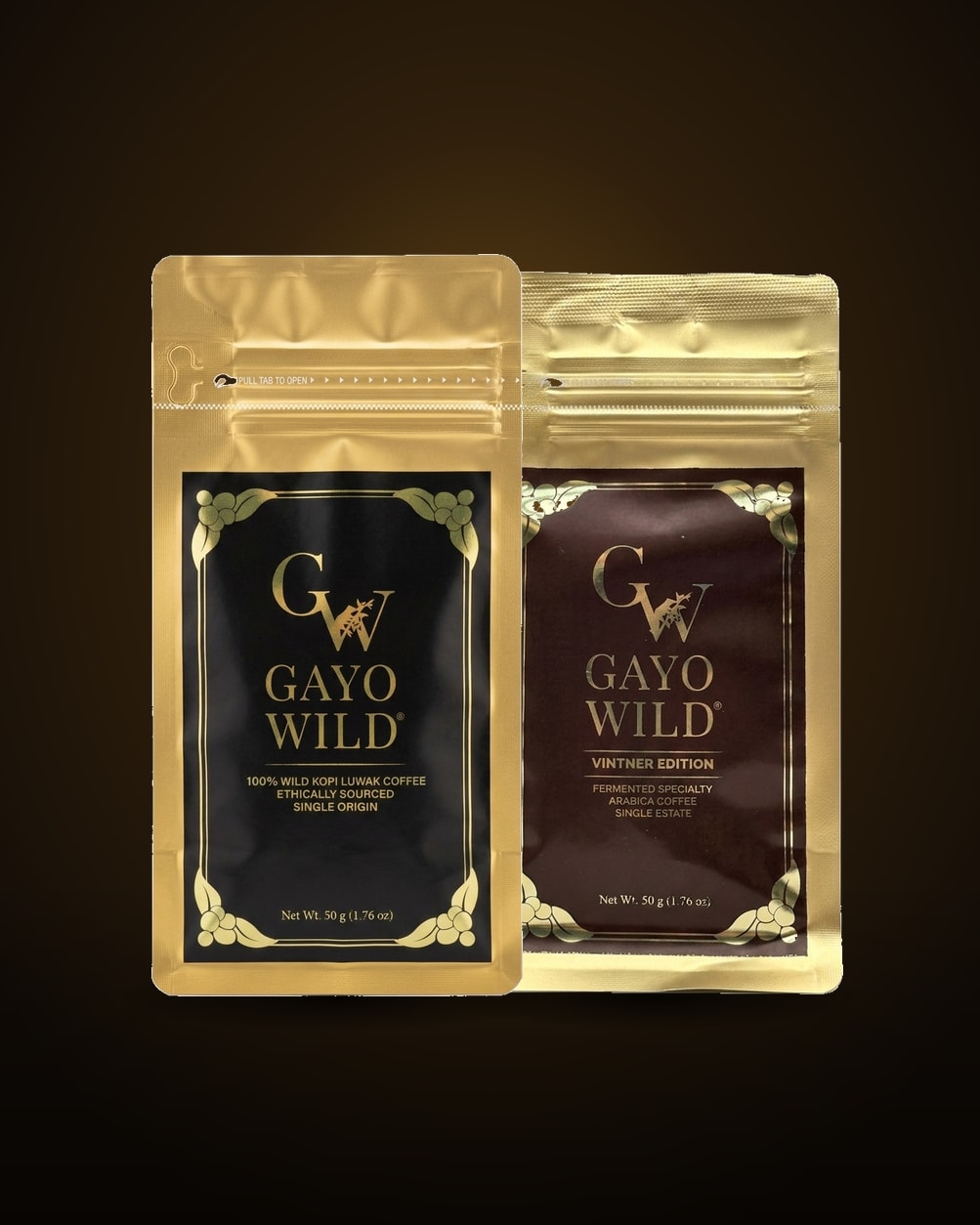
We answer all five, in writing and in person. Where ours comes from Come and see it
Go Deeper
The welfare question answered honestly, and the standard we hold ourselves to.
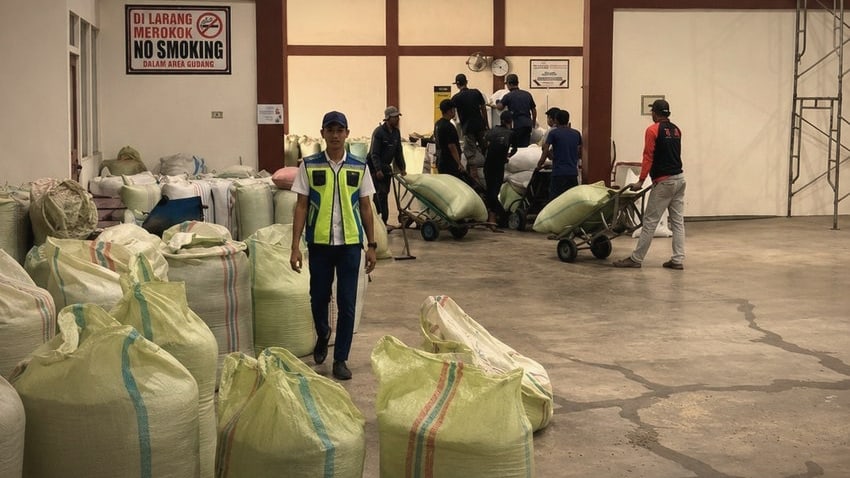
How to tell the difference, and what to ask before buying from anyone.
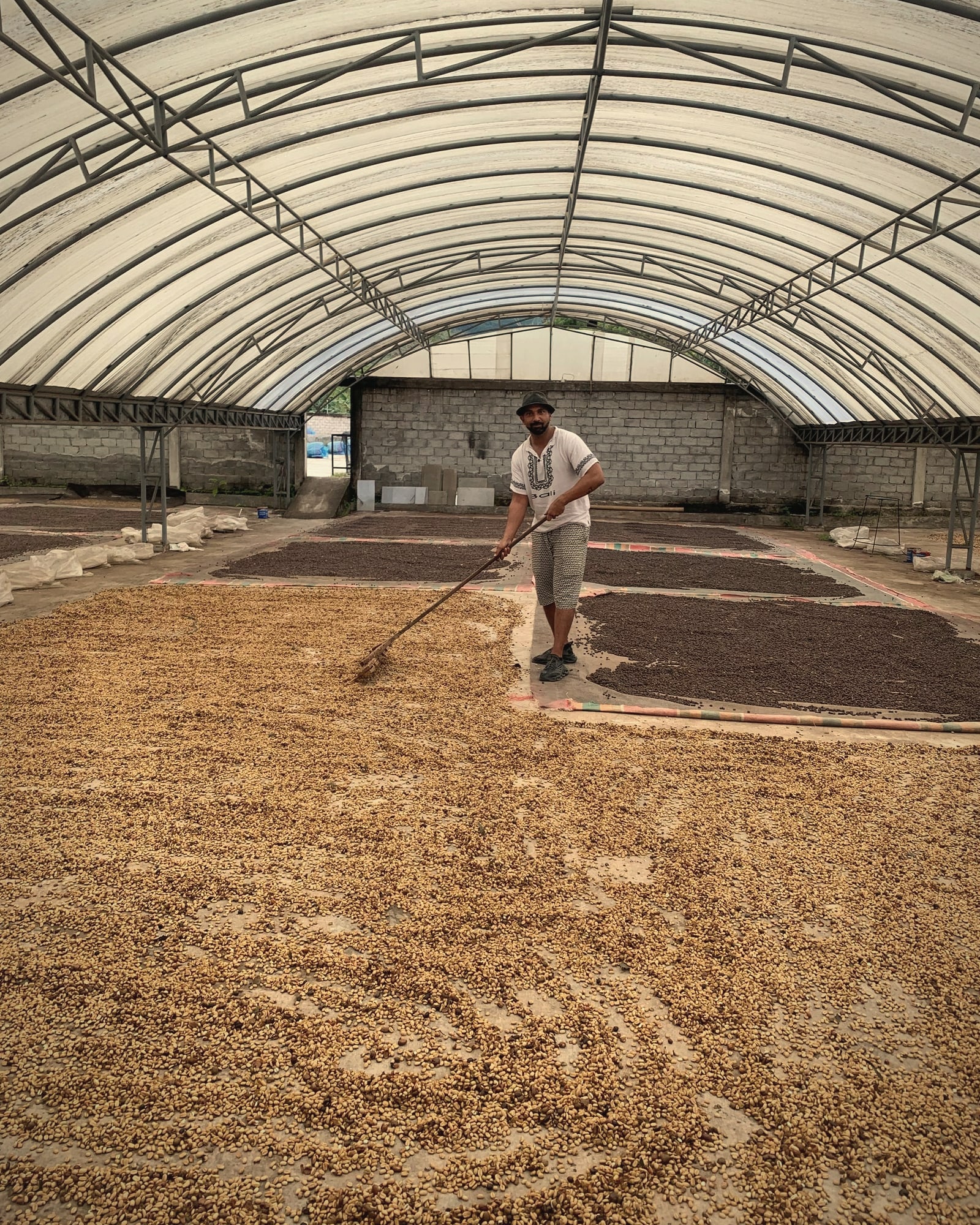
Where our coffee comes from, who handled it, and what we can evidence.
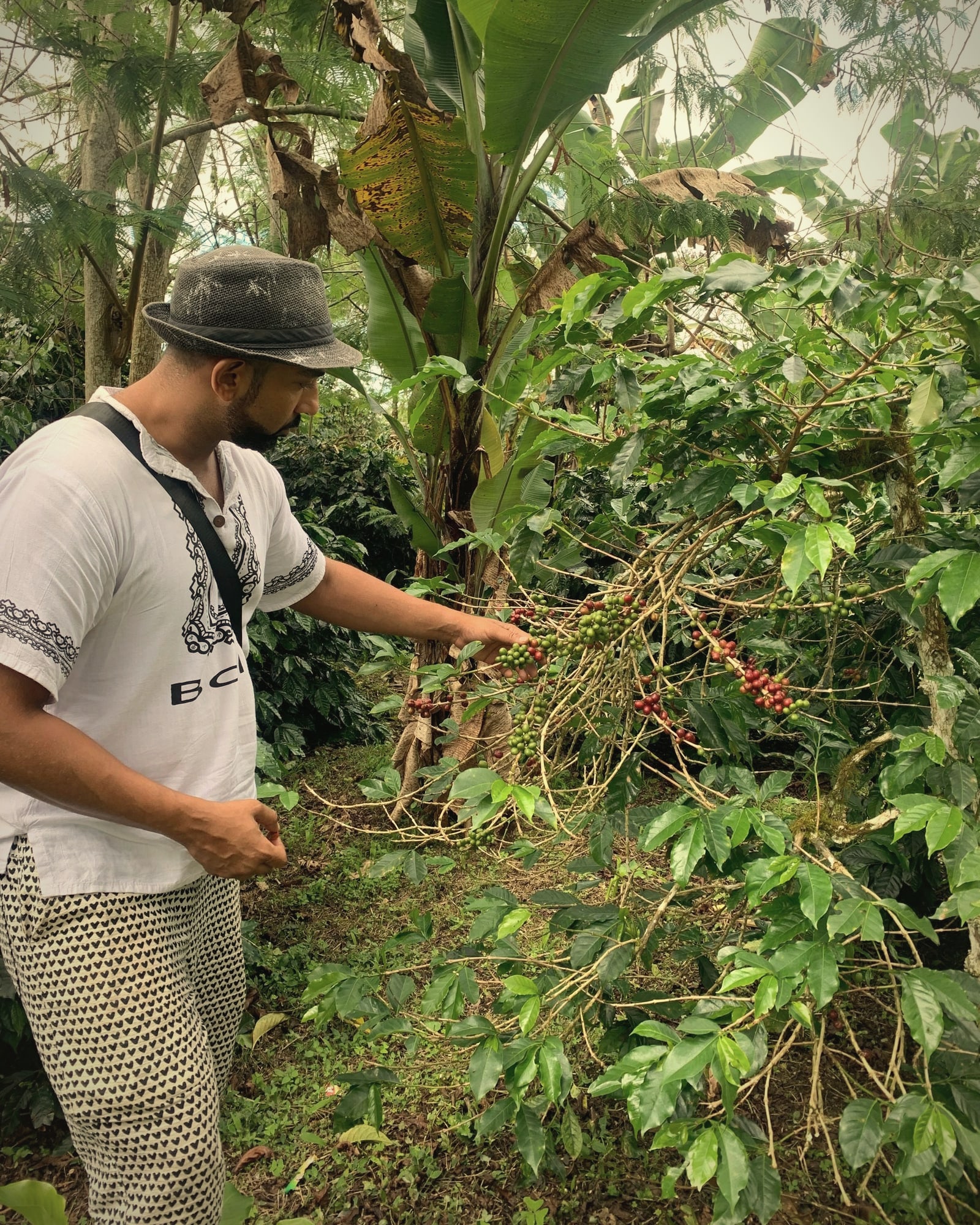
What genuine wild Kopi Luwak should cost, and the warning signs.
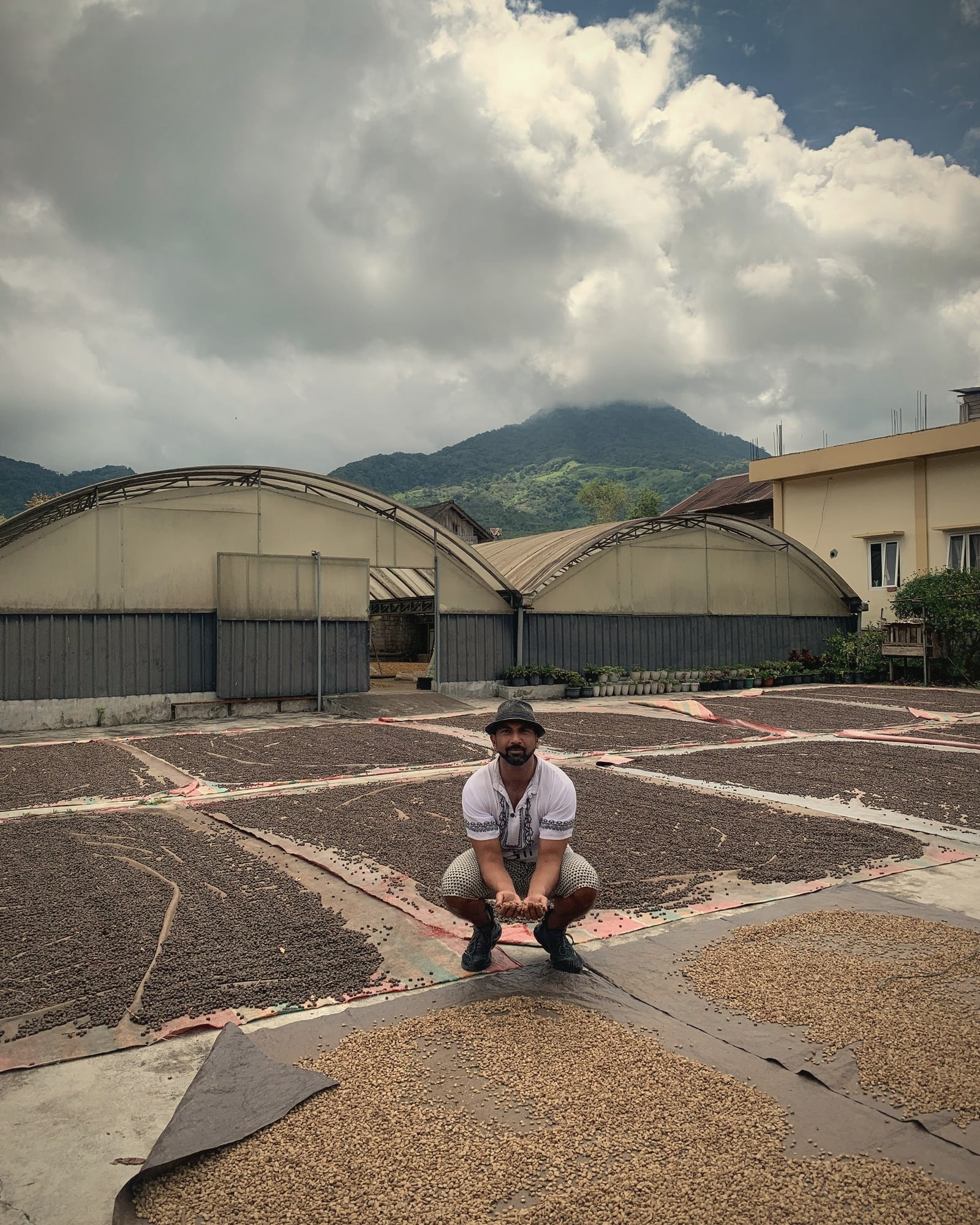
The founder's journey to the Gayo Highlands and the families behind every bag.
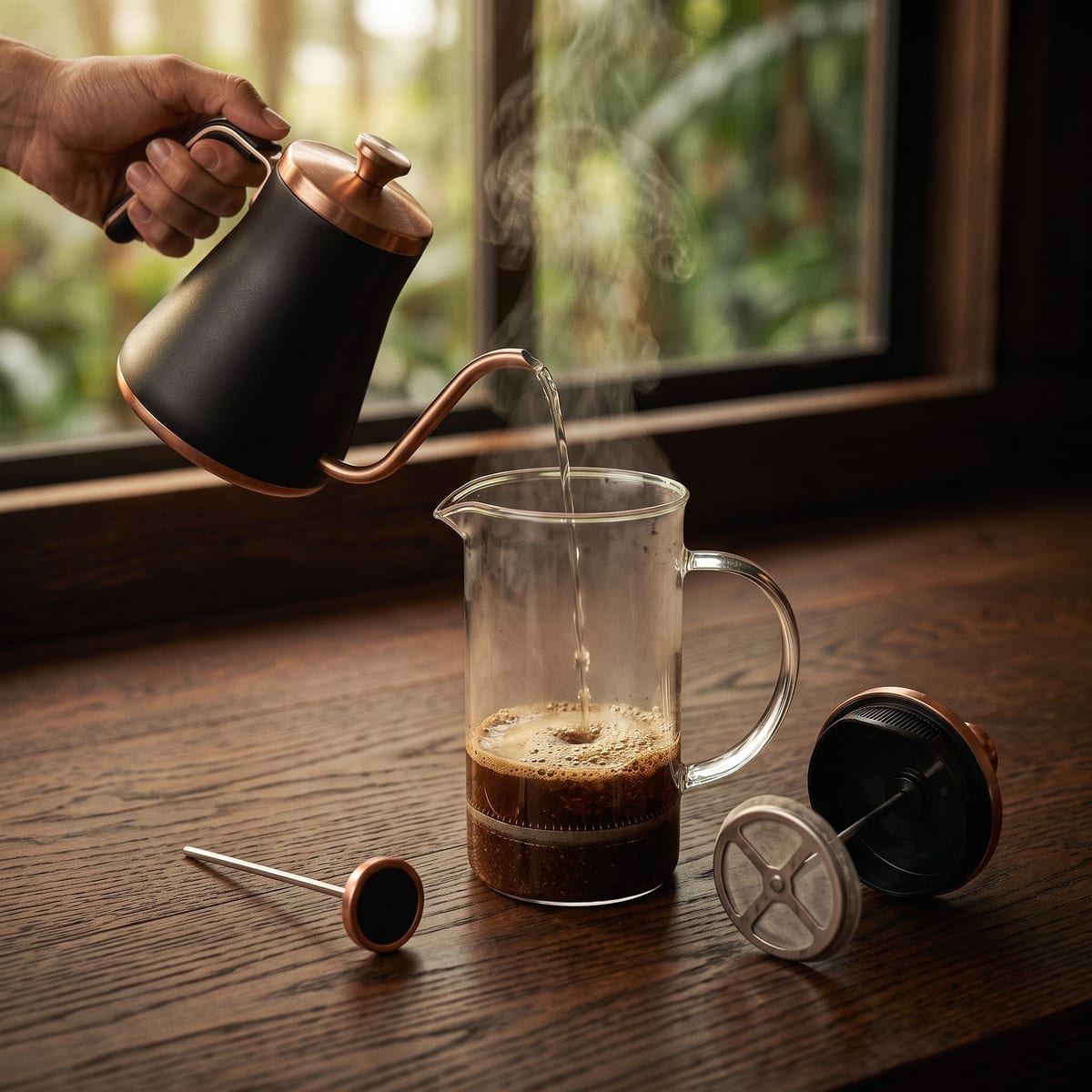
Ratios, grind and water temperature to get the most out of the cup.
Delivery is shown here before you pay. Outside the UK, import VAT and duties are paid on arrival.
Delivery outside the UK: our prices do not include import VAT, customs duty or the carrier’s handling fee. Your country’s customs or carrier may charge them when the parcel arrives, and you are responsible for paying them. If you refuse the parcel or don’t pay, we refund it once it is back with us, less the return cost; abandoned or destroyed parcels are not refunded.
Card, Apple Pay & Google Pay via Stripe